Human beings are exposed to death and loss from the very beginning of life. As children, we don’t have the language to understand it. Loss feels confusing, unsettling, and sometimes frightening.
I grew up in a close-knit Christian family. My dad was a pastor, and funerals were a regular part of our lives. Death was not something hidden from me. I saw grieving families. I heard prayers over caskets. I watched my father carry the weight of other people’s sorrow.As a child, I would ask him to pray for my pets, my toys, and for me. Even then, I think I understood that things could be taken away.
The first death I remember was a family pet. I don’t remember how it happened. I just remember the absence. I remember wondering where it had gone and when it would come back. No one prepares you for that feeling — the realization that something you love is simply not there anymore.
As we grow older, loss becomes more layered. We lose childhood. We lose innocence. We lose grandparents and older family members who once felt constant and steady. Each loss looks different, but the ache is familiar.
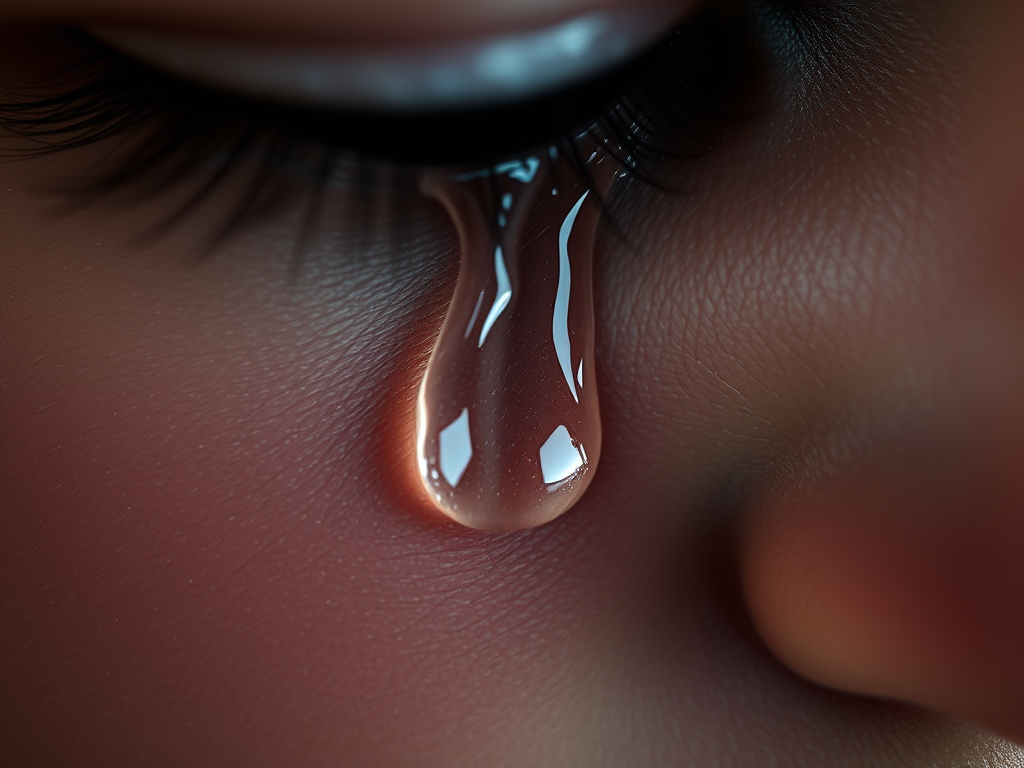
Grief doesn’t follow a straight path. It doesn’t operate on a schedule. It shows up in ordinary moments — in empty chairs, in old photographs, in random memories that surface without warning.
This blog is about that reality.
It’s about the truth that loss is part of being human. It’s about how we continue working, parenting, loving, and functioning while carrying grief. It’s about learning that healing doesn’t mean forgetting — it means learning how to live with what’s missing.
Life moves in ebbs and flows. Some seasons feel steady. Others feel overwhelming. Both are real. Both are part of the story.
And this is mine.
 Ebbs & Flows